


Understanding the psychology behind gambling behaviors and decisions
The Allure of Risk: Why People Gamble
Gambling is often seen as a high-risk activity that attracts individuals from various backgrounds. The thrill of taking risks is a significant psychological driver behind gambling behaviors. For many, the rush associated with placing bets can create an adrenaline surge that is difficult to replicate in everyday life. This excitement often overshadows the potential negative consequences, leading individuals to engage in gambling as a form of entertainment and escape. In that context, casino-pokiesurf.com presents a vibrant platform for players seeking that adrenaline rush.

The excitement surrounding the possibility of winning big is another compelling factor. The brain releases dopamine, a neurotransmitter associated with pleasure and reward, which reinforces the behavior. This biochemical response makes it easy for individuals to become entangled in a cycle of seeking more experiences, often ignoring the reality of their financial limits.
Luck Versus Skill: A Delicate Balance
The debate over luck versus skill in gambling is a fascinating aspect of its psychology. Many games, such as poker and blackjack, require a combination of both, drawing in players who believe they can influence the outcome through strategy. The skill aspect provides a sense of control that can be appealing, creating a false belief in one’s ability to consistently win.
Conversely, games of pure chance, like slots or roulette, heavily rely on luck. Players often underestimate the randomness involved, leading to cognitive biases such as the “gambler’s fallacy,” where one believes past results influence future outcomes. This misconception can result in repeated play and escalating bets, as players chase losses in hopes of regaining their financial standing.
Emotional Triggers and Gambling Decisions
Emotions play a critical role in gambling behaviors. Players often engage in gambling during emotional highs or lows, using it as a coping mechanism. For instance, some may gamble to celebrate a victory, while others may turn to it during stressful periods. This emotional engagement can cloud judgment and lead to impulsive decisions that do not align with one’s financial well-being.
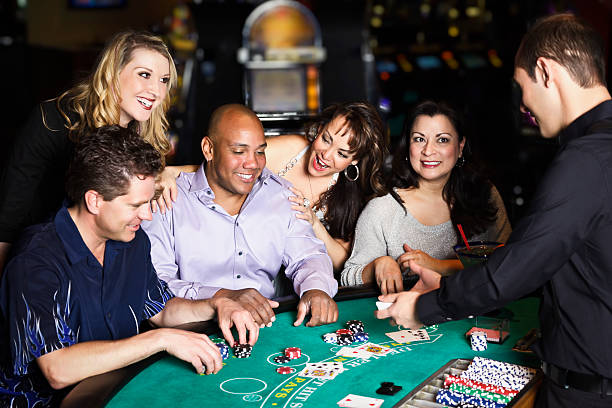
The social environment also contributes to emotional triggers. Gambling is frequently viewed as a communal activity, often taking place in lively settings like casinos. The social interactions and shared excitement can enhance the experience, making it difficult for individuals to separate their emotional state from their gambling decisions.
The Impact of Advertising and Cultural Norms
Advertising plays a significant role in shaping perceptions of gambling. Marketing strategies often portray gambling as glamorous and rewarding, creating an enticing image that attracts new players. These campaigns frequently downplay the risks involved, instead emphasizing the thrill of winning and the social aspects associated with gambling.
Cultural norms surrounding gambling also influence behavior. In some societies, gambling is widely accepted and even encouraged, which can normalize high-risk behaviors. This societal endorsement may lead individuals to view gambling as a harmless pastime rather than a potential addiction, further complicating the psychological landscape of gambling decisions.
Join the Thrill at Pokiesurf Casino
At Pokiesurf Casino, the excitement of gambling is taken to new heights with a diverse range of games and experiences tailored for Australian players. The platform is designed to provide a secure environment, allowing players to immerse themselves in thrilling gameplay while enjoying the latest in casino technology.
With generous bonuses and a commitment to fair play, Pokiesurf Casino ensures that every player can enjoy their favorite games responsibly. Whether you’re a seasoned player or new to the world of online gaming, the psychological excitement of gambling awaits you. Join today and feel the rush of real Aussie gaming!
